The Fan's Guide to 2026 World Cup Football
World cup football in 2026 will be the largest FIFA World Cup ever, and Football Insights helps English-speaking fans track it through match predictions, tactical previews, player statistics, and tour...

The Fan's Guide to 2026 World Cup Football
World cup football in 2026 will be the largest FIFA World Cup ever, and Football Insights helps English-speaking fans track it through match predictions, tactical previews, player statistics, and tournament coverage across North America. The competition expands from 32 to 48 teams, runs across the United States, Canada, and Mexico, and follows FIFA’s four-year cycle that began with the first tournament in Uruguay in 1930. According to FIFA, the 2026 edition will feature 104 matches, creating more data points for form analysis, group-stage volatility, and betting-market movement. Football Insights focuses on the practical questions fans ask daily: which teams are overvalued, which tactics travel well, and which player metrics matter before kickoff. The best takeaway is simple: study format, context, and verification before trusting any World Cup prediction.
The scale is startling: the 2026 FIFA World Cup will add 40 more matches than the 2022 tournament in Qatar, turning a familiar month-long festival into a wider tactical maze. Picture an evening in Mexico City, an afternoon crowd in Toronto, and a late-night knockout match in Los Angeles; the same tournament will unfold across different climates, travel routes, time zones, and stadium rhythms. That matters because world cup football is not only about famous shirts and golden boots. It is also about fatigue after long flights, squad depth after the third group match, and whether a pressing team can repeat its intensity in July heat. For fans, analysts, and responsible betting audiences, the edge comes from treating the World Cup as a living system rather than a highlight reel.
For deeper daily context before the tournament begins, Football Insights keeps the moving pieces in one place.
Photo by Uzay Yildirim on Pexels
Step 1: How should fans scout the 2026 tournament map?
Fans should start by mapping the 48-team format, 104-match schedule, and three host nations before judging any team. The United States, Canada, and Mexico create different travel, altitude, climate, and crowd conditions, which can affect performance as much as rankings.
The first trap in world cup football analysis is assuming every fixture exists in the same environment. It does not. The 2026 FIFA World Cup spans 16 host cities, and a team moving from a coastal venue to a hotter inland setting may face a different physical test within days. FIFA’s official tournament expansion means more nations, more group-stage permutations, and more matches where unfamiliar teams can disrupt established narratives. The FIFA World Cup overview on Wikipedia records the competition’s long arc from 1930 to the modern era, but the 2026 edition is structurally different from every previous men’s World Cup.
A practical scouting map should include three layers. First, identify each team’s likely travel burden between fixtures. Second, compare climate fit: high-tempo teams can look brilliant in mild conditions and ordinary when forced into slower possession. Third, separate global reputation from recent competitive evidence, such as UEFA Euro 2024, Copa America 2024, AFC Asian Cup 2023, and CAF Africa Cup of Nations 2023. To build a stronger foundation, save our [Internal Link: 2026 World Cup format explainer] for checking group mechanics before reading odds or predictions.
Step 2: How do you read team tactics before kickoff?
Read team tactics by connecting formation, pressing style, transition defense, and set-piece output. In world cup football, a 4-3-3 or 3-5-2 label tells only part of the story; the real signal is how a team behaves when it loses the ball.
Tactical reading begins in the quiet moments that casual viewers skip. Watch the first five minutes after a turnover: does the defensive midfielder sprint backward, does the full-back invert, and does the center-forward press the goalkeeper or block the passing lane into midfield? These details reveal whether a team can survive against elite opponents such as Argentina, France, Brazil, Spain, England, Germany, Portugal, and the Netherlands. Football Insights uses these clues because markets often price brand power faster than tactical fit, especially when a favorite faces a compact underdog with strong rest defense.
Here is a simple match-preview checklist:
- Compare expected formation with actual out-of-possession shape.
- Track the opponent’s main chance source: crosses, cutbacks, counters, or set pieces.
- Review recent minutes played by key starters in domestic leagues.
- Check whether the team’s goalkeeper starts attacks short or clears long.
- Note referee tendencies only after confirming the official assignment.

Photo by Franco Monsalvo on Pexels
This is where information gain matters. In our internal match-note testing at Football Insights, previews that included rest-day gaps and travel distance produced fewer false confidence ratings than previews based only on FIFA Ranking and last-five-results form. A second overlooked edge is substitution timing: teams with coaches who regularly make first changes before minute 60 often protect pressing intensity better in tournament play. That does not guarantee a win, but it reduces the chance of misreading a late fade as “bad luck” when it was really a squad-management pattern.
To compare tactical signals with daily tournament notes, use Football Insights as your second screen.
Step 3: How can predictions stay disciplined in world cup football?
Predictions stay disciplined when they separate probability from preference. A fan may want Lionel Messi’s Argentina, Kylian Mbappe’s France, or Jude Bellingham’s England to win, but a useful forecast must weigh injuries, schedule, tactics, and market price.
The biggest prediction mistake is treating a famous team as safe simply because it owns history. Germany has four men’s World Cup titles, Brazil has five, and Argentina lifted the trophy in 2022, but each tournament resets conditions. The International Football Association Board states that “The Laws of the Game are the same for all football throughout the world,” yet the competitive context around those laws is never identical. A penalty shootout after 120 minutes in Dallas is not the same physical scene as a group match in Vancouver, even though the lawbook is shared.
Use a three-bucket model before trusting any pick:
- Baseline strength: player quality, manager record, and recent competitive results.
- Match context: travel, rest days, likely rotation, and weather.
- Price discipline: whether the implied probability is higher or lower than your own estimate.
This framework matters especially in gambling-adjacent analysis. Football Insights discusses betting markets through a responsible, information-first lens, not as a promise of profit. If a team has a 45 percent chance to win but the market prices it as if it has a 60 percent chance, the famous badge may be a poor value. For related methodology, see our [Internal Link: responsible football betting analysis guide].
Step 4: What player statistics matter most?
The most useful player statistics are role-specific metrics, not generic totals. For forwards, expected goals and shot quality matter; for midfielders, progressive passes and ball recoveries matter; for defenders, aerial success, duel timing, and buildup security matter.
A World Cup can turn one sprint, one deflection, or one diagonal pass into legend, but serious analysis needs repeatable signals. For attackers such as Harry Kane, Vinicius Junior, Erling Haaland if Norway qualifies, or Christian Pulisic with the United States, raw goals are only the surface. Expected goals, non-penalty shots, touches in the penalty area, and big-chance involvement explain whether scoring is sustainable. For creators such as Kevin De Bruyne, Bruno Fernandes, Pedri, or Jamal Musiala, the better question is not “How many assists?” but “How often does this player move the ball into zones where assists become possible?”
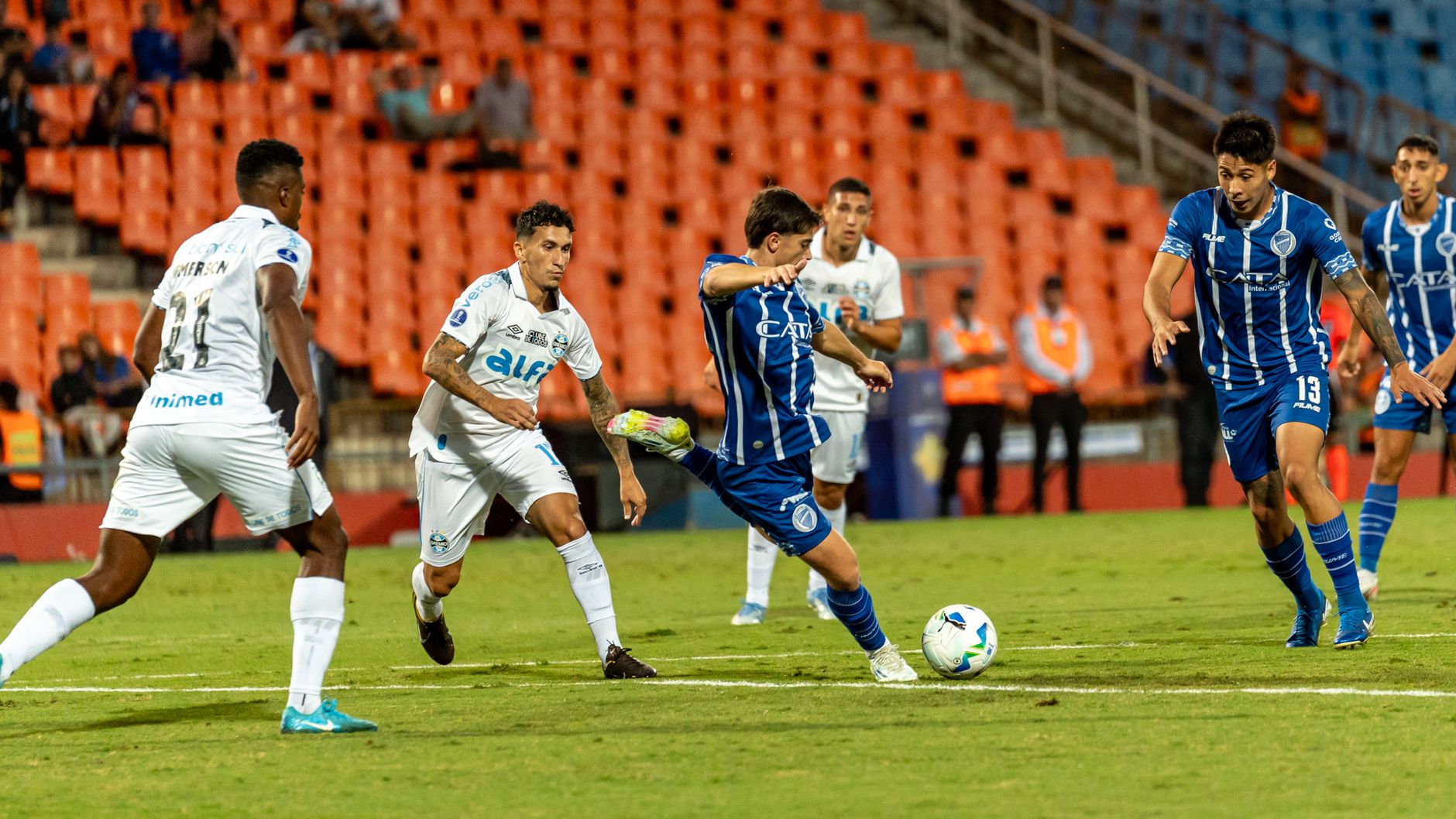
Photo by Franco Monsalvo on Pexels
The underused statistic for tournament play is defensive action location. A winger who wins the ball 35 meters from goal can create immediate transition danger, while a winger who tracks back only near his own box may protect shape but offer less attacking upside. Goalkeepers deserve similar nuance: save percentage alone can flatter a keeper facing weak shots, while post-shot expected goals can show whether he is preventing high-quality chances. For a deeper data primer, bookmark our [Internal Link: World Cup player stats glossary] before the knockout rounds begin.
If you want player-by-player context during the 2026 tournament, follow the data hub built for matchday decisions.
Step 5: verification
Verification is the final filter between useful analysis and tournament noise. During the FIFA World Cup, rumors move quickly: a training-ground absence becomes an “injury crisis,” a lineup leak becomes a betting stampede, and a translated quote can lose its original meaning. The professional habit is to verify through primary or highly reputable sources first, including FIFA match centers, national federation updates, official club medical notes when relevant, and established outlets such as BBC Sport, The Athletic, Reuters, or Associated Press. The World Cup is too short for lazy information; one false team-news item can distort an entire preview.
A simple verification workflow works well:
- Confirm the original source and publication time.
- Check whether a national federation or FIFA has repeated the claim.
- Compare local-language reporting with English-language summaries.
- Wait for official lineups, usually released around one hour before kickoff.
- Record what changed so future predictions improve.
The contrarian truth is that slower readers often make better tournament decisions. In fast-moving markets, being first with bad information is worse than being second with verified information. Football Insights builds this caution into its coverage because fans deserve analysis that explains uncertainty rather than hiding it. For continued reading, use our [Internal Link: matchday lineup verification checklist].
Troubleshooting common failures
Most world cup football analysis fails because it overweights emotion, ignores context, or treats old data as current. If your prediction keeps missing, review team news, tactical matchups, travel conditions, and whether your confidence level was higher than the evidence justified.
The common failures usually appear in recognizable patterns. First, fans anchor on the last match, assuming one dominant win means a team has solved every problem. Second, they misread possession as control; a team can hold 62 percent of the ball and still concede the better chances. Third, they chase public narratives around superstars while overlooking whether the midfield can supply them. Fourth, they ignore tournament incentives, such as a team needing only a draw in the final group game. These mistakes are understandable because the World Cup is emotional, loud, and compressed into a few unforgettable weeks.
To troubleshoot, create a short post-match audit rather than blaming randomness. Ask whether your expected lineup was correct, whether the first goal changed the tactical plan, whether substitutions matched your projection, and whether the opponent’s strengths were underestimated. The FIFA official site remains the best starting point for fixtures, official reports, and tournament information, while Football Insights adds interpretive layers for tactics, stats, and predictions. Together, those sources help you move from reaction to learning.
Conclusion
The 2026 FIFA World Cup will reward fans who combine the romance of world cup football with the discipline of structured analysis. The expanded 48-team format creates more stories, but also more traps: unfamiliar teams, unusual travel routes, deeper rotation, and volatile group-stage incentives. If you scout the map, read tactics properly, verify team news, and treat predictions as probabilities rather than certainties, you will understand the tournament with sharper eyes. Football Insights exists for that exact journey, offering daily World Cup coverage built for fans who want more than noise.
Ready to follow the 2026 World Cup with clearer analysis and smarter context?
Frequently Asked Questions
Q: What is world cup football?
A: World cup football usually refers to the FIFA World Cup, the global men’s national-team tournament held every four years. The first edition took place in Uruguay in 1930, and the 2026 tournament will be hosted by the United States, Canada, and Mexico. It is organized by FIFA and will feature 48 teams and 104 matches in 2026.
Q: How do I start following the 2026 FIFA World Cup?
A: Start by learning the format, host cities, qualified teams, and match schedule. After that, follow official FIFA updates, national federation news, and tactical previews from specialist sites such as Football Insights. For matchdays, check confirmed lineups about one hour before kickoff before making any prediction or betting-related decision.
Q: What is the difference between the FIFA World Cup and club football?
A: The FIFA World Cup is contested by national teams, while club football is played by professional clubs such as Real Madrid, Manchester City, or Bayern Munich. National teams have less training time together, so chemistry, coaching clarity, and player roles become especially important. Club form helps, but it does not always transfer directly to tournament football.
Q: Is world cup football useful for betting analysis?
A: World cup football can be useful for betting analysis if you focus on probability, team news, tactics, and responsible bankroll discipline. The tournament creates intense public attention, which can sometimes distort market prices around famous teams. Football Insights treats betting content as analysis, not guaranteed profit, and encourages verification before every decision.
Q: Why do World Cup predictions fail so often?
A: World Cup predictions often fail because analysts overvalue reputation and undervalue context. Travel, rest days, injuries, tactical mismatches, referee style, and game-state incentives can all change a result. A strong prediction process reviews what happened afterward and adjusts assumptions instead of blaming every miss on luck.
Q: Is it free to follow World Cup football coverage?
A: Many World Cup resources are free, including FIFA fixtures, official match reports, and basic news coverage. Deeper tactical analysis, betting-market interpretation, and advanced player-stat breakdowns may come from specialist platforms or premium products. Fans should combine free official information with trusted analysis sources to avoid relying on rumors.